
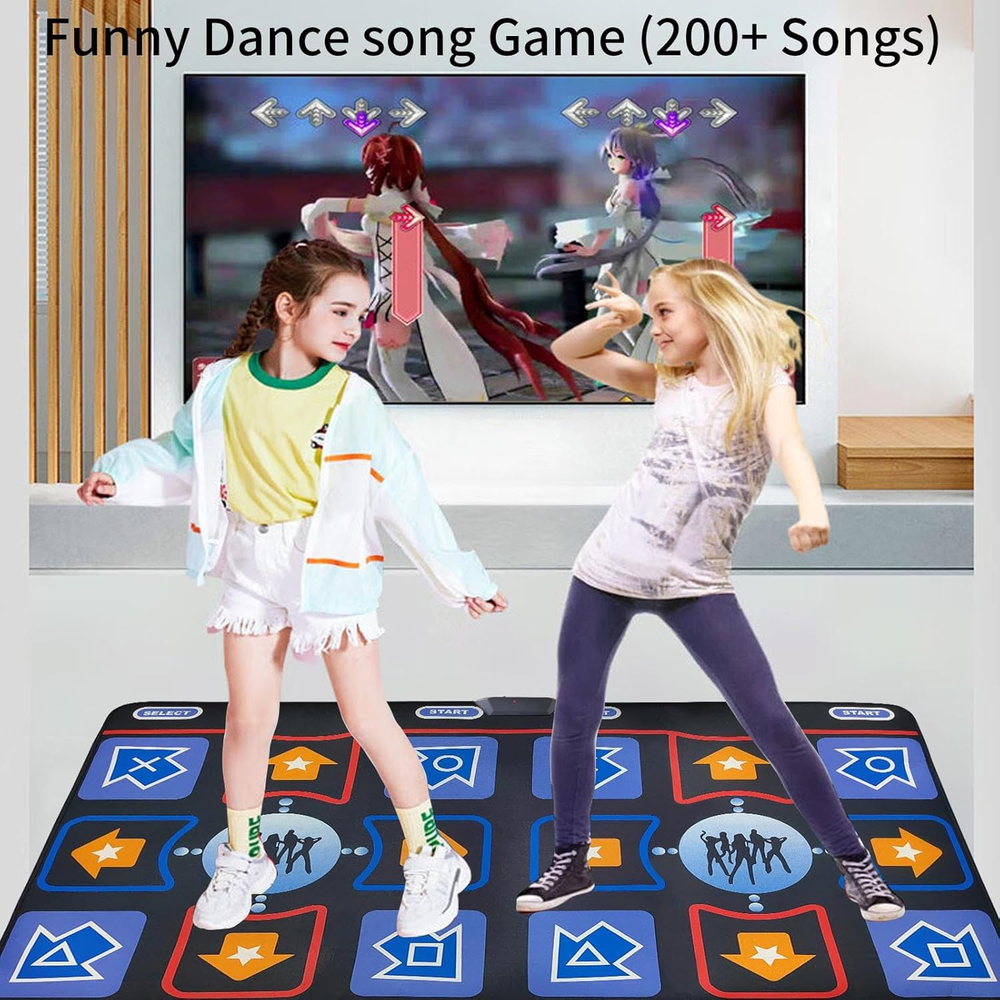
A dance mat marketed to children is a toy in most markets, not a consumer electronic. That single fact changes the testing regime, the packaging requirements, the labelling and the liability position — and it is the most common thing buyers discover too late.
Is it a toy or an electronic?
Classification depends on the primary purpose you advertise and the age group you target. A dance pad sold as family entertainment with an age recommendation of 6+ will typically be assessed as a toy for the purposes of toy safety law, while the console element may also need electronic compliance. Practically, you will often need both:
- Toy safety: EN 71-1, -2, -3 in the EU; ASTM F963 and CPSIA in the US.
- Electronic and radio: CE with EMC and RED, or FCC Part 15 for the US, if the console transmits or connects wirelessly.
- Battery: UN38.3 test summary and MSDS, plus lithium battery handling and disposal labelling.
- Chemical: REACH SVHC and phthalates in the EU; CPSIA Section 101 lead and phthalate limits in the US.
The classification decision should be made with your compliance lab before artwork is printed, because the age grading on the box is part of what defines the requirement.
Age grading, and why it is a commercial decision
Age grading is not a suggestion. It drives the tests, the warnings and, in the US, whether you need a Children's Product Certificate. Two common approaches:
| Positioning | Typical age grade | Testing implications |
|---|---|---|
| Family / all ages | 6+ or 8+ | Still a toy if marketed to children, but avoids the under-3 regime entirely |
| Young children | 3+ | Full toy testing including small parts, plus stricter mechanical and chemical testing |
| Under 3 | 0–3 | Avoid. Adds the most demanding testing regime and the highest liability exposure |
Most successful kids dance mat lines sit at 6+ or 8+, targeted at school-age children and families. That keeps you inside toy safety rules without the cost and liability of the early-years regime.
Safety design requirements that testing will not fix
Testing catches problems; design prevents them. The design points that matter on a mat:
- Cord length and entanglement. A wired mat's cable is the primary strangulation risk in the category. Specify the maximum length and a strain relief that releases under load, and document it.
- Small parts. Console battery covers, button caps and the sensor connector on a foldable mat are the parts most likely to detach. Specify a pull-force acceptance criterion on each.
- Surface chemistry. The flannel is skin-contact and mouth-contact adjacent. Specify phthalate-free and azo-free dyes, and test the finished surface, not the raw fabric.
- Flammability. Flannel burns. EN 71-2 applies, and the lamination layer changes the burn rate.
- Battery enclosure. The cell compartment must require a tool or two independent actions to open on a children's product.
- Anti-slip. A mat that slides on a hard floor is a fall injury risk, not just an annoyance. Specify the backing and test it on tile and laminate.
- Heat. The console and the battery must stay within touch-temperature limits under continuous play.
What testing actually costs
Budget for compliance as part of the product development, not as a surprise:
- EN 71 full suite for a new product: typically a four-figure USD sum per model, depending on the configuration and the number of colourways.
- CPSIA / ASTM F963 with a CPC from a CPSC-accepted lab: similar order, and note that it requires an accredited third-party lab, not a self-declaration.
- Per-colourway testing: a new print or a new fabric colour often means the surface chemistry tests must be repeated. Plan colour ranges accordingly.
- Annual or per-batch retesting: ask your lab about the retest regime and build it into the annual cost.
- Worst case, failed testing: if the flannel fails phthalates, you are re-sourcing fabric after the tooling and packaging are already paid for. Test the fabric before you place the packaging order.
Packaging for toy retail
- Age grading and warnings on the front panel, in the required language for each market.
- Choking hazard warnings where applicable, and correct symbol use.
- Battery information and disposal instructions, plus the required lithium labelling.
- Tracking label for the US, with batch and date codes on the product and the packaging.
- CE and UKCA as applicable, and the importer's name and address.
- Toy retail expects a window or a strong product image — a plain brown box will not get placed by a toy buyer.
Margin reality check
Kids dance mats carry a lower FOB price than controllers but a much larger compliance and packaging overhead, and they ship by volume rather than weight. Build the model with: FOB, freight per unit by cube, duty, amortised toy testing, printing and packaging, inspection, and a 3–5% returns allowance — toy returns run higher than electronics because of buyer remorse and gifting.
How STEP COOL supports this category
Our dance mat range includes single and double wireless TV pads with built-in song libraries and cartoon modes, and wired 4-in-1 pads for PS / Xbox / Wii / PC. We make the sensor layer and the console electronics in-house, laminate our own mat surfaces, and supply the compliance document set for your market — including toy safety test references where the product is sold into the children's channel.
Send us your target age grade, market and quantity and we will send the compliance list, the testing scope and a quote with the carton cube for your freight model.