
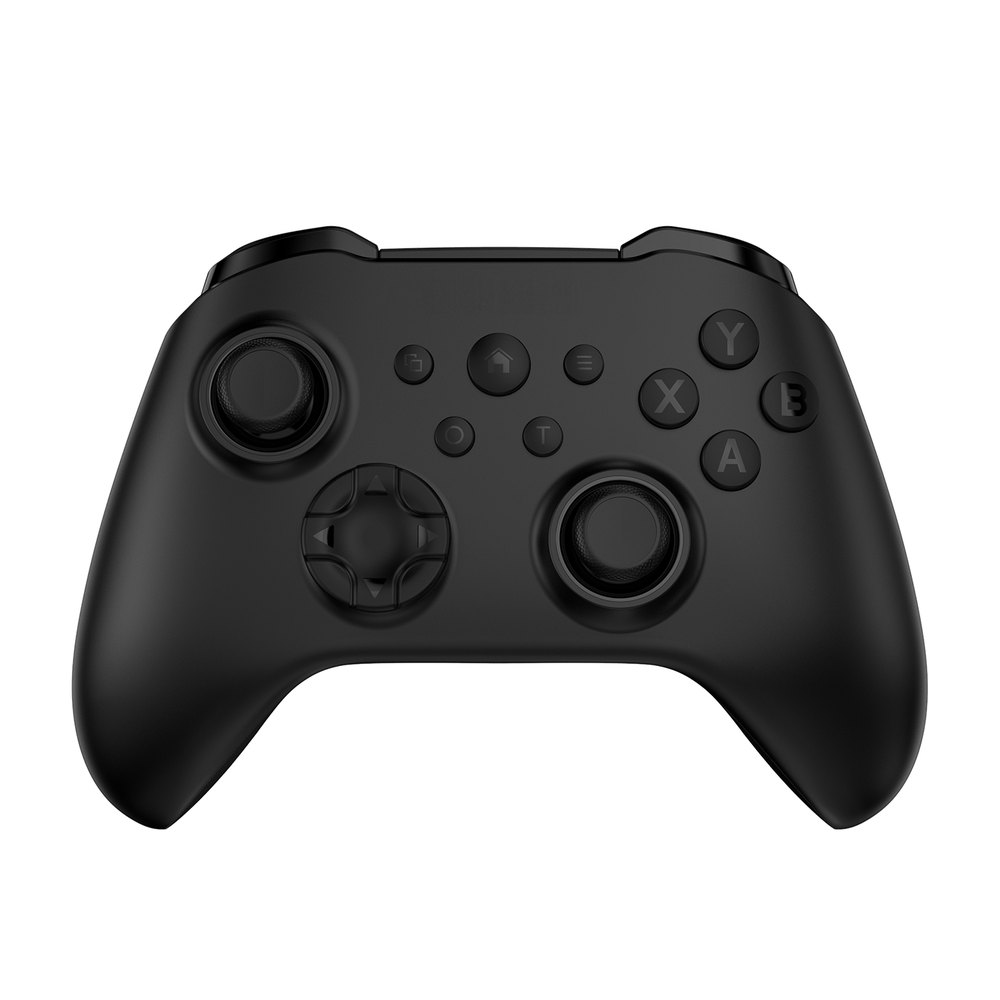
Importing gaming accessories is a process, not a gamble. The buyers who get burned are almost always the ones who skipped the same three steps: correct tariff classification, a pre-shipment inspection, and a supplier whose bank account name matches the contract.
Step 1: Confirm Incoterms before you compare prices
| Term | Supplier delivers to | You pay | Use when |
|---|---|---|---|
| EXW | Their factory door | Everything from pickup onward | You have your own forwarder in China |
| FOB | Named Chinese port, loaded | Ocean freight, insurance, duty, inland | The default for most importers — most comparable |
| CIF | Your destination port | Duty, port charges, inland delivery | Convenient but hides the freight margin |
| DDP | Your warehouse, duty paid | Nothing extra | Convenient at low volume; you lose visibility of duty |
Always compare quotes on the same Incoterm. A CIF price that looks 6% higher than an FOB price may well be cheaper once the freight is added — or the reverse. Once you have the FOB number and the carton data, put both into our landed cost calculator to see which one actually lands cheaper.
Step 2: Get the tariff classification right
Classification determines your duty rate and whether additional tariffs apply. Gaming accessories commonly fall into:
- Video game controllers and accessories: generally under HS heading 9504 as parts and accessories of video game consoles. The 6-digit code is commonly 9504.50 in many schedules.
- Dance mats with a TV console: classification is less clear-cut. Depending on the exact nature of the product and the customs ruling you rely on, a TV dance pad may be treated as a video game accessory or under the toy heading 9503. This is a genuine grey area and it affects both duty and testing obligations.
- Cases, cables and chargers: usually classified on their own merits — plastic cases, insulated cable, and static converters or battery chargers respectively — not as game accessories.
Duty rates and any additional tariff measures change, sometimes at short notice, and they differ by destination country. Do not rely on a blog post or a supplier's assertion — ask your customs broker to classify the specific article, in writing, and to state the current rate.
Step 3: Sort out compliance before production
Compliance is a pre-production task, not a post-arrival one. If the certificate is missing when the goods arrive, you pay storage while you wait.
- US: FCC authorisation for wireless products, Prop 65 review, CPSIA and Children's Product Certificate if marketed to children, and country-of-origin marking on the product.
- EU: CE with EMC and RED, an EU Declaration of Conformity, RoHS, REACH SVHC, WEEE registration and packaging registration in each member state you sell into.
- UK: UKCA marking and a UK importer of record.
- Batteries: UN38.3 test summary and MSDS, with the lithium handling labels on the packaging.
Ask your supplier for the reports on the exact model you are buying, then have your compliance partner confirm they cover your destination and your brand.
Step 4: Inspect before you pay the balance
Arrange a third-party inspection at the factory before the balance payment, not after arrival. A typical inspection covers quantity, workmanship, function and packaging, and usually costs a few hundred dollars per man-day — small against a shipment of defective controllers.
Make sure the inspection criteria come from your own acceptance list, not the inspector's default. The default checklist for "gaming accessory" will not test for stick drift, trigger response or TV pairing. Write those in.
Step 5: Get the documents right
For a straightforward FOB shipment you should receive:
- Commercial invoice with correct classification, declared value, Incoterm and both parties' details.
- Packing list with carton count, carton dimensions and gross weight.
- Bill of lading or air waybill, issued by your forwarder.
- Certificate of origin, and a preferential certificate if your destination has a trade arrangement with China.
- Fumigation or heat treatment certificate if your destination requires it for wooden packaging.
- Test reports and declarations for the compliance items above.
- Battery documents — UN38.3 test summary and MSDS.
Check the invoice classification and the consignee name against your own records before the goods sail. Correcting a bill of lading after departure is slower and more expensive than correcting a draft.
Step 6: Plan the last mile
Decide before the goods arrive where they are going and how they will be received:
- 3PL receiving booked with a slot, and warehouse labels or FNSKU labels applied either at the factory or by the 3PL — decide which, because it changes your packaging spec.
- Customs broker engaged and bonded, with the classification pre-confirmed.
- Duty and VAT funded — a surprising number of first shipments are delayed at the border by an unpaid duty bill, not by a compliance problem.
- Damage claims — photograph the container or pallets on arrival before unloading, and note exceptions on the delivery receipt. Insurance claims fail on undocumented arrival condition.
Common pitfalls, ranked by cost
- Wrong classification. Causes overpayment, or worse, a penalty and a reclassification on arrival.
- Balance paid before inspection. Removes your only real leverage on a defective batch.
- Paying a bank account that does not match the contract party. The single most common fraud pattern in this trade.
- Missing certification. Goods sit at the port at your expense while the document is produced.
- No arrival photographs. Makes a freight damage claim effectively unprovable.
- Assuming the supplier knows your market rules. Most do not, particularly for EU member state registrations and US state-level requirements.
How STEP COOL supports importers
We quote FOB Shenzhen with carton dimensions and gross weight in the PI, provide the compliance report set for your market, and support third-party pre-shipment inspection before the balance payment. Our controllers include the SC-Q34U with dual TMR sticks, plus PS4, Switch and Xbox ranges, and we supply dance mats with the toy-safety documentation set where applicable.
Tell us your destination country and channel and we will send the document list and compliance scope you will need, alongside the quote.